The Enduring Legacy of "Thine Be The Glory"
Few hymns capture the jubilant spirit of Easter and the profound triumph of Christ's resurrection quite like "Thine Be The Glory." Revered by countless congregations worldwide, the powerful message embedded within Thine Be The Glory Lyrics - Article 2 resonates deeply, celebrating the ultimate victory over death and sin. This article delves into the rich tapestry of this beloved hymn, exploring its origins, its theological depth, and its lasting impact on Christian worship.
Originally penned in French by Swiss pastor Edmond Louis Budry in 1884, "À toi la gloire, O Ressuscité!" became a staple in European churches. It found its English voice through the masterful translation of Richard Birch Hoyle in 1925, solidifying its place in the English-speaking world. What truly elevated "Thine Be The Glory" to iconic status, however, was its inspired pairing with the soaring melody from George Frideric Handel's oratorio, Judas Maccabaeus, specifically the chorus "See, the Conquering Hero Comes!" This triumphant tune, already synonymous with victory and celebration, perfectly complements Budry's exultant lyrics, creating an anthem of unparalleled joy and hope.
More than just a song, "Thine Be The Glory" is a profound theological statement, a declaration of faith, and an outpouring of praise. It encapsulates the core tenets of Christian belief in the resurrection, offering comfort, assurance, and an invigorating sense of purpose to believers. Its timeless appeal lies in its ability to articulate the incomprehensible joy and peace that stem from the Risen Christ, making it an indispensable part of Easter services and countless other celebratory worship gatherings throughout the year.
Unpacking the Profound Meaning: A Lyrical Journey
To truly appreciate the depth of "Thine Be The Glory Lyrics," it's essential to dissect each stanza, understanding the rich imagery and theological truths they convey. Each verse builds upon the last, painting a vivid picture of Christ's triumph and its implications for humanity.
Stanza 1: The Victorious Son and the Empty Tomb
The hymn opens with an immediate declaration of praise, setting a tone of adoration and awe:
- "Thine be the glory, risen, conquering Son," – This line establishes Jesus Christ as both resurrected ("risen") and victorious ("conquering Son"). It immediately asserts His divine authority and power over the greatest adversary: death itself.
- "endless is the victory thou o’er death hast won;" – The victory isn't temporary; it's "endless." This speaks to the eternal nature of Christ's triumph, ensuring hope for believers beyond the grave. It's a foundational promise of Christian faith.
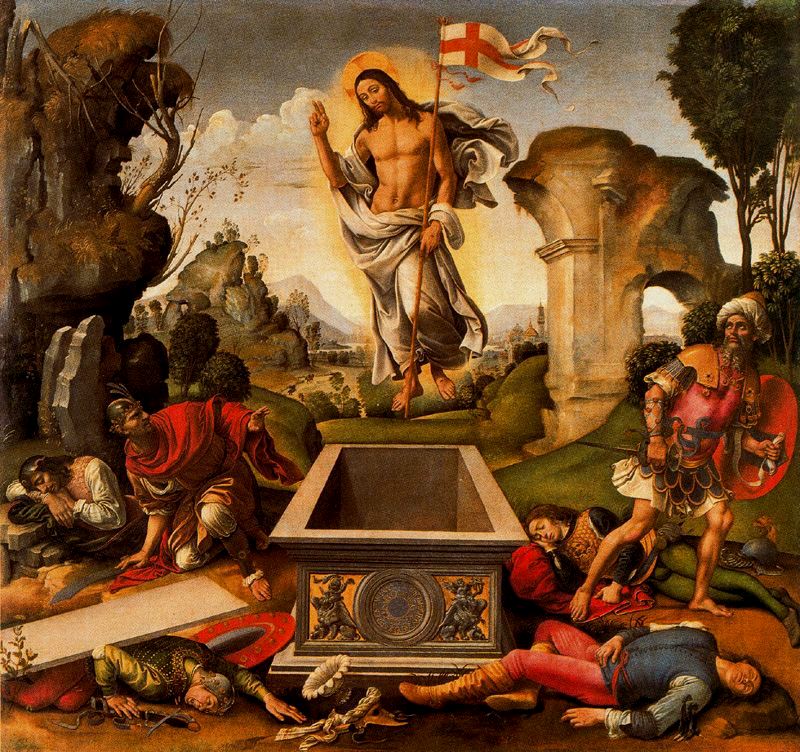
- "angels in bright raiment rolled the stone away," – This refers directly to the biblical accounts of the resurrection, where angels are depicted moving the massive stone from the tomb's entrance (Matthew 28:2, Mark 16:3-4, Luke 24:2). It emphasizes the supernatural intervention and divine orchestration of the resurrection event.
- "kept the folded grave-clothes where thy body lay." – The "folded grave-clothes" are a powerful detail found in John 20:6-7. They signify not a hurried exit or theft, but an orderly, deliberate departure, a finality to death's hold. The empty clothes, yet orderly, serve as silent witnesses to the bodily resurrection, reinforcing the reality of Christ's victory.
This opening stanza firmly plants the hymn in the historical and theological bedrock of the resurrection. It’s a bold affirmation that Jesus Christ did not merely survive, but truly conquered death, forever altering humanity's destiny.
Stanza 2: A Call to Triumph and the Sting of Death
The second stanza shifts from the historical event to its immediate, personal, and communal impact:
- "Lo! Jesus meets us, risen from the tomb;" – This line speaks to the personal encounter believers have with the Risen Christ. It's not just a historical fact but a present reality. Jesus actively "meets us," implying a continuous relationship and presence.
- "lovingly he greets us, scatters fear and gloom;" – The greeting is "lovingly," highlighting Christ's compassionate nature. His presence dispels the pervasive human emotions of "fear and gloom" that often accompany mortality and uncertainty. This offers profound comfort and reassurance.
- "let the Church with gladness songs of triumph sing," – This is an active call to worship, urging the collective body of believers – "the Church" – to respond with joy and celebratory songs. It transforms individual faith into communal expression.
- "for her Lord now liveth; death hath lost its sting." – This echoes Paul's triumphant declaration in 1 Corinthians 15:55, "O death, where is thy sting? O grave, where is thy victory?" The resurrection disarms death, stripping it of its power and terror for those who believe. This is the heart of the Christian hope.
Here, the hymn moves from description to experience, inviting the listener to partake in the joy of the resurrection. It emphasizes the transformative power of Christ's victory, turning fear into gladness and despair into triumph. For many, singing Thine Be The Glory Lyrics - Article 3 is a powerful act of faith and reassurance.
Stanza 3: Life's Prince and the Journey Home
The final stanza serves as both an affirmation of faith and a prayer for continued guidance and ultimate salvation:
- "No more we doubt thee, glorious Prince of life;" – This line expresses a confident, unwavering faith in Jesus. He is acknowledged as the "glorious Prince of life," the source and sustainer of all existence, particularly eternal life. Any previous doubts are now cast aside in the light of His resurrection.
- "life is nought without thee: aid us in our strife;" – This stark admission highlights the dependence of human life on Christ. Without Him, life is "nought" (nothingness), lacking ultimate meaning or purpose. It transitions into a plea for divine assistance in the "strife" – the struggles, challenges, and temptations faced in daily life.
- "make us more than conquerors, through thy deathless love:" – Drawing inspiration from Romans 8:37 ("in all these things we are more than conquerors through Him who loved us"), this requests empowerment. Through Christ's "deathless love" – love that transcends death and endures eternally – believers seek strength not just to overcome, but to truly triumph over adversity.
- "bring us safe through Jordan to thy home above." – "Through Jordan" is a biblical allusion, specifically to the Israelites crossing the Jordan River into the Promised Land (Joshua 3:17). In Christian symbolism, it often represents the transition from earthly life to eternal life. The prayer is for Christ to guide believers safely through life's final passage to their "home above," signifying heaven or eternal dwelling with God.
This concluding stanza beautifully encapsulates the journey of faith: from initial acceptance of Christ's victory to seeking His daily guidance, and finally, aspiring to eternal communion with Him. It's a powerful prayer that resonates with the deepest longings of the human spirit for security, purpose, and eternal belonging.
Beyond the Words: The Power of Musicality and Worship
While the lyrics themselves are profound, the enduring power of "Thine Be The Glory" is inextricably linked to its musical setting. Handel's majestic melody imbues the words with an unparalleled sense of grandeur and triumph. The robust, marching rhythm and soaring melodic lines inherently convey victory, making it impossible to sing or hear without feeling a surge of joy and inspiration.
The act of singing this hymn in a communal setting further amplifies its impact. The collective voices rising in unison create a powerful atmosphere of shared faith, hope, and celebration. It’s a moment where individual belief merges into a corporate declaration, strengthening the bonds of community and reinforcing the collective identity of the Church as those who believe in the Risen Christ. This communal expression of faith is a vital component of Christian worship, offering both spiritual upliftment and a sense of belonging.
Why "Thine Be The Glory" Continues to Resonate
"Thine Be The Glory" has transcended generations and cultures for several compelling reasons:
- Universal Message of Hope: The core theme of victory over death and the promise of eternal life speaks to a fundamental human desire for meaning and transcendence, offering comfort in times of loss and uncertainty.
- Powerful Affirmation of Faith: It serves as a strong declaration of central Christian doctrines, particularly the resurrection, which is the cornerstone of Christian belief.
- Emotional Resonance: The combination of triumphant lyrics and a stirring melody evokes strong emotions of joy, gratitude, and awe, making it a deeply moving experience for participants.
- Timeless Applicability: While centered on a historical event, its themes of overcoming struggle ("aid us in our strife") and seeking ultimate purpose remain relevant to the daily lives of believers today.
- Accessibility: Despite its profound depth, the language is clear and the melody memorable, making it accessible to all ages and musical abilities within the congregation.
For those seeking to deepen their spiritual journey, engaging with hymns like "Thine Be The Glory" can be incredibly enriching. Consider not just singing the words, but meditating on their meaning, reflecting on the biblical references, and allowing the truth of Christ's victory to permeate your spirit. It's an invitation to experience the joy of the resurrection not just on Easter, but every day.
Conclusion
"Thine Be The Glory" stands as a monumental hymn, a resounding anthem of Christian faith and triumph. Its powerful lyrics, married to Handel's glorious melody, paint an unforgettable picture of the Risen Christ, who conquered death and scatters all fear and gloom. As we sing these cherished Thine Be The Glory Lyrics - Article 2, we are not merely recounting a historical event but actively participating in a declaration of eternal hope, drawing strength for our earthly strife, and looking forward to our heavenly home. Truly, to the Risen, Conquering Son, be all the glory, forever and ever.